I have been reading books on health and doing experiments on improving my fitness. Below I will list my learnings and what worked best for me in the hope that it will help others in their fitness journey.
A large number of people in their middle age are suffering from chronic lifestyle diseases. Some of the common lifestyle diseases are Diabetes, Hypertension, Heart diseases, Cancer, etc. Close to 90 people die of heart attack in India every day as per Govt Report of 2022. This number is increasing at an alarming rate every year.
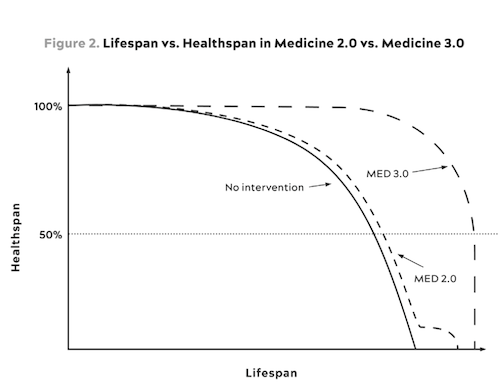
Current medicine(Medicine 2.0) focuses on extending your lifespan without increasing your healthspan. Having a long life that is not healthy is more of a curse. Increasing your healthspan(Medicine 3.0) involves starting early and making lifestyle changes.
I will list a series of levels below more like in a game where you can go to the next level once you master the current level. Each will progressively improve your health and mastering the lower level will make you ready for the next level. Also they are ordered based on their effectiveness.
Measuring is the first step towards good health. Buy a good weighing scale and measure your weight daily, preferably at the same time. I have this weighing scale and checking my weight as soon as I wake up in the morning works best for me. Once you start measuring, you will know what changes helped you most in your weight loss journey. Also psychologically you will be more conscious of your weight when you eat and that helps in weight reduction.
Log your weight using any of the health apps so that you can see how you are doing over a period of time. Most of the health apps available in the market have support for logging your weight. I use the one that comes with my smartwatch(Fitbit) and that works well for me.
If you have a smartwatch, that will help you more in your measurement but that is optional. I have seen that Step Count, Active Zone Mins, Heart Rate and Sleep duration are worth tracking using your smartwatch.
As much as possible, eat fresh food cooked at home. Sugar causes the most damage to our system. Over a period of time, consumption of sugar has increased drastically and that has a direct impact on increase in lifestyle diseases. Sugar adds calories without adding any nutritional value. It damages the liver.
Reducing sugar is one the most effective ways of improving health. For those interested, Sugar: The Bitter Truth is a documentary worth watching.
Most of the junk food has high sugar, salt and fat. More the processing of food, less the nutritional value. Additionally, junk food and sugar results in addiction and craving where you need more of the same as time passes. Reduce their intake and slowly the craving also goes away.
Avoid fruit juices and cool drinks as well. These are called sugar sweetened beverages(SSB). These have high sugar content and very less nutritional value. Fruits are good but not fruit juices. All the fibre content in fruits would be gone in fruit juices and there are added sugars to make it taste sweet.
An effective way to reduce sugar intake is by tackling it as a habit. Use a habit tracker app and note down the days you haven't consumed sugar, sweets, junk food or SSBs. Over a period of time, slowly increase the number of days that you can go without these. I avoid sugar in my tea as well. Loop Habit Tracker is a good app for tracking habits.
Jogging 4 times a week for 45 mins in Zone 2 is very beneficial for your health. Zone 2 is the speed of running at which you are still able to maintain a conversation but don't want to talk. Jogging is aerobic exercise that improves your heart health and reduces weight. I did not like jogging but took it up after getting convinced about its benefits. If you need convincing, read Chapter 12 (Training 101) of the book Outlive by Peter Attia .
Of all the changes I have made for improving my health, Jogging has considerably helped me improve my fitness. It reduced my weight noticeably and brought my cholesterol under control. If you don't like jogging, you can also try other forms of aerobic exercises like cycling and swimming.
You should get at least 7-8 hours of sleep everyday. Go to sleep around the same time every day. Also, avoid looking at your screen(laptop, mobile) at least an hour before going to sleep. I use zero powered computer glasses during night to avoid blue light impairing my sleep.
Sleep is a very important component of your health which has been ignored for quite long. It improves your overall wellbeing and mental alertness. It increases your productivity and helps your body eliminate toxins. Your brain needs sufficient sleep to clean the toxic buildup which over a period might result in diseases like Alzheimers.
More details on sleep can be found in the book Why we sleep by Matthew Walker.
You need to exercise 4-5 times a week for at least 45 mins. This should include both flexibility and strength training. As you grow older you lose muscle mass and this is the biggest contributing factor for early aging. Maintaining good muscle mass and balance is key to your ability to continue well into old age without pain.
For some, joining a group class for Yoga or exercise works well. You can find some good classes or a gym near your house and enrol. Cult Fit also has centres at multiple places and can work well for some.
For those who are self motivated, you can enrol for online classes. This saves time on commuting and you can do it at your convenient time. I have taken Cult Pass Home membership where you can join live sessions from your home. It also has 2-3 week programs on Yoga and strength training which are effective. I alternate between a 2 week Yoga program and 2 week strength training with dumbbells.
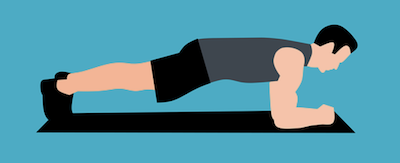
Fitness Challenge: See if you can hold a plank for 2 minutes.
Feed the gut and protect the liver. This is one takeaway from the book Metabolical by Robert Lustig.
Increase fibre content in your food. Dietary fibre feeds the gut bacteria which helps in keeping your digestive system healthy. Some sources of fibre
Ground flax seeds and Isabgol can be sprinkled on top of your rice serving or mixed with water and consumed. Plan on how to consume these items as part of your regular diet.
Omega 3 is very beneficial for your heart and if you are vegetarian then flax seeds and dry fruits are a good source.
More than 50% of your food intake should be fruits and vegetables. These are a good source of micro nutrients and dietary fibre.
You need to consume protein daily in grams proportion to your body weight in kg. For example, if youare 70 kg you need to consume 70 gms of protein. These should go along with exercises so that they are utilised for building your muscles. If your diet does not provide you with sufficient protein, you can add whey as a protein supplement. Ensure that you limit your intake of protein supplement to not more than 20 gms of protein per day. You should get most of your proteins from your diet.
Avoid fried food and bakery items for snacks. Replace them with healthier options like poha, mandakki, fresh fruits, oats, soups, boiled sprouts, salads, etc.
Keep yourself well hydrated by drinking at least 2 litres of water everyday.
Avoid alcohol consumption as it is not good in any quantity. It causes addiction and damages the liver.
Mental and emotional health are an important part of our wellbeing. Most people who report a long and happy life have and maintain good relationships. See TED talk on life lesssons from longest study on happiness.
Programs like Isha Inner Engineering and Art Of Living teach basic breathing techniques and perspective changes that bring a positive impact in your life when practised daily. Both of these are available online and can be done from the comfort of your home.
Having the right perspective on life makes a big difference in your quality of life. Naval's podcast episode on happiness has been very helpful and I make it a point to listen to it regularly.
Bhagavadgita also has been an inspiration in my life. It has helped me reduce my mental stress considerably and live a peaceful life. Some good sources to learn Bhagavadgita are
Get your health checkup done annually to know the status of your health and take corrective actions if necessary.
After the age of 40, visit a cardiologist once a year for your heart health checkup. Get your lipid profile done and take a copy of it when visiting the cardiologist. Doctors might suggest Echo, ECG or TMT based on your health condition. You can use Practo or any other app to find a good cardiologist near your place.
Get an HBA1c test done at least once in 6 months to diagnose Type 2 diabetes. This number should be less than 5.7 for maintaining good health. Also measure your BP regularly.
Vitamin D test is also necessary to be done annually. Most people have deficiency of this vitamin as they are exposed less to sunlight due to nature of job and weather conditions. Vitamin D deficiency results in weak bones, depression and decreased immunity.
Vitamin B12 is one more vitamin that you have to monitor regularly as there is a good chance you are deficient especially if you are vegetarian.